I still can’t watch someone leave food on their plate without feeling something tighten in my chest. Especially when it’s friends people I care about, people I’ve chosen to connect with. That’s why I keep hoping that one day they’ll change their minds. I know I sound annoying. I can hear it in my own voice when I remind them: “Just take what you need. Don’t pile your plate with food you can’t finish.“
I say it again and again, until I finally realize they just don’t care. I can’t change anything, and that makes me feel sad.
The Aldi Revelation
Last Sunday, we went to Aldi for groceries. As I walked through the aisles, I found myself mentally reviewing what was sitting in my fridge, calculating how much we’d wasted during the week. That’s when my partner and I started talking about food waste.
“Why do people just not care?” I asked.
The answer felt obvious and depressing: our fast-paced lifestyle makes us care less about everything that matters. New iPhone. New PlayStation. New season’s fashion. We’re always chasing the next thing.
So what do people care about? Health scares. Fuel prices going up. A cracked nail. But wasting food? No one even thinks it’s a thing. Why do I care so much?
Growing Up on the Farm
Let me tell you a little bit about where I come from.
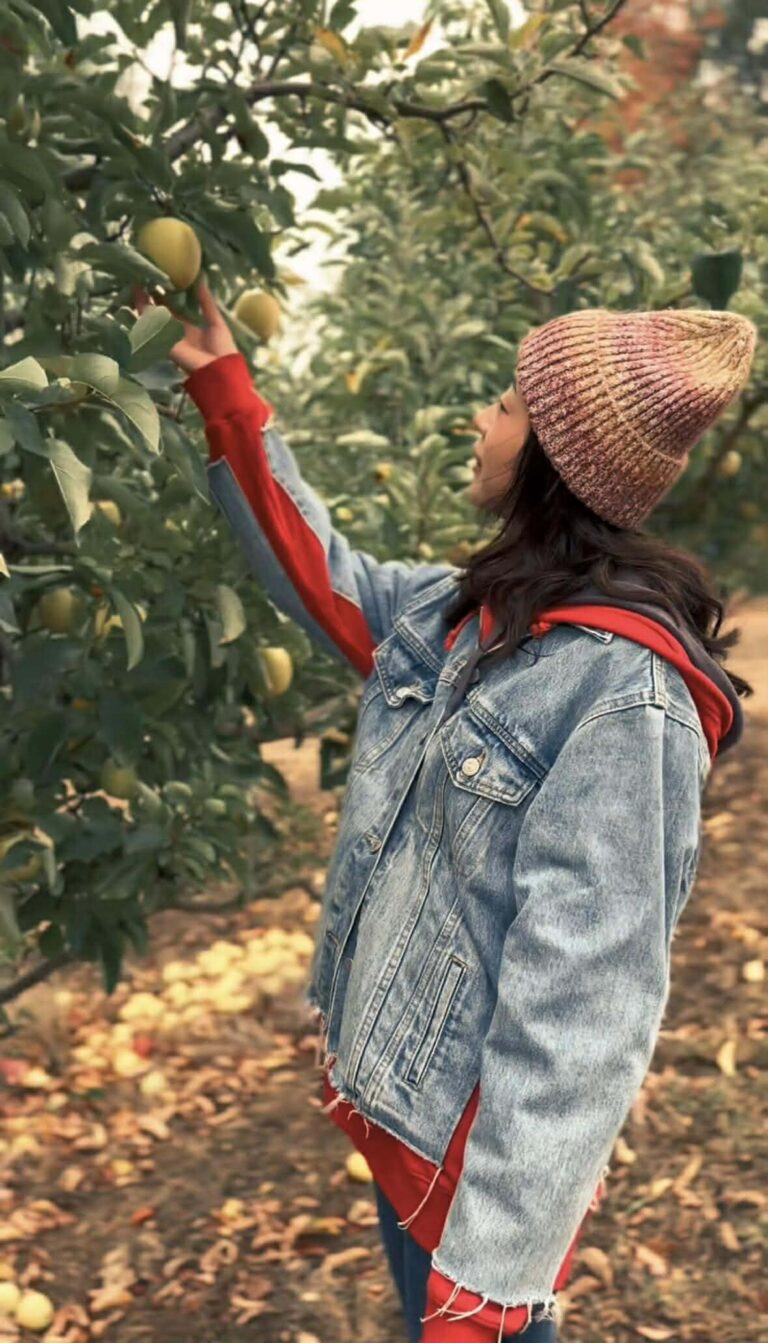
I grew up on a farm, a fish farm actually, which is probably why I don’t like fish much. In my childhood, we never had a bin for rubbish. Everything that could decompose, my grandma collected in a bucket after each meal. She’d carry it to her garden and add it to her composting mountain. Cardboard boxes were flattened and saved for wrapping things when we needed them. Plastic bags were reused until they literally couldn’t be used anymore, and then they went into the fire but we made fire for cooking anyway, so even the plastic had a purpose.
When animal parts needed to be disposed of, my grandpa would dig a big hole and bury them. He always told me the same thing: “It’s going to help the plants grow better next year.”
I watched him do this so many times that I started thinking: one day, when I die, I want to be buried in a piece of land too. I want to return myself to nature, just like everything else.
The Rule at the Dinner Table
In my family, leaving food on your plate wasn’t allowed. You had to eat everything in your bowl. You couldn’t leave the dinner table until you finished your food.
My auntie used to remind me of one of the most famous poems in Chinese literature—*Mǐn Nóng* (悯农), which means “Sympathy for the Farmers”:
Hoeing grain in the blaze of noon,
Sweat drops fall—grain to earth.
Who knows the food on the plate,
How toilsome each granule is!
I felt shame if I didn’t find the last grain of rice in my bowl.
The Reality of Growing Food
Is it really that hard to grow rice, or other plants?
Yes. Absolutely yes.
I’ve watched my family work the farm fields, planting corn, potatoes, and especially rice. Rice grows in water in the early summer and late spring, when the water is still cold and the mud is slippery. We had about one week—just one week—to plant the rice seedlings in that muddy field. Not too early, not too late, or the baby seedlings would get moldy and die.
And it could rain the whole week. Heavy, pouring rain.
All I can say is: it’s not easy.
Now I understand why organic food is expensive. The way my family farmed, we barely used harsh chemicals. But what about the food most people eat every day? It’s definitely full of chemicals. That’s the price we pay for wanting everything fast.
Eating Local: A Solution We’ve Forgotten
When you eat local food—food grown by farmers in your community you’re not just getting fresher, healthier produce. You’re also reducing the environmental cost of transporting food across countries and oceans. Local food doesn’t need preservatives to survive long journeys. It doesn’t require excessive packaging. And when you buy directly from farmers, you support people who care about the land, who compost, who work with nature instead of against it.
My grandparents didn’t call it “eating local.” They just called it life. Everything we ate came from our land or our neighbors’ land. We knew exactly how it was grown, and we respected every grain because we understood the work behind it.
A Generational Loss
I think food waste is a generational thing.
My grandparents were there when people were starving. They had to make food with their own hands. They grew every ingredient that went on the table. They learned that conserving food wasn’t just practical it was a good personality trait, a sign of respect and wisdom. They taught their children. They taught me, their granddaughter.
But in just three generations over a hundred years the world has forgotten:
- We were hungry once.
- And conserving food is still a good thing to do.
I can’t make my friends care. But I can remember. And I can keep telling this story, hoping that maybe one person will pause before scraping a full plate into the trash, and think: *someone worked hard for this*.